
Exploring British Horse Racing: What Happens When It’s Not On?
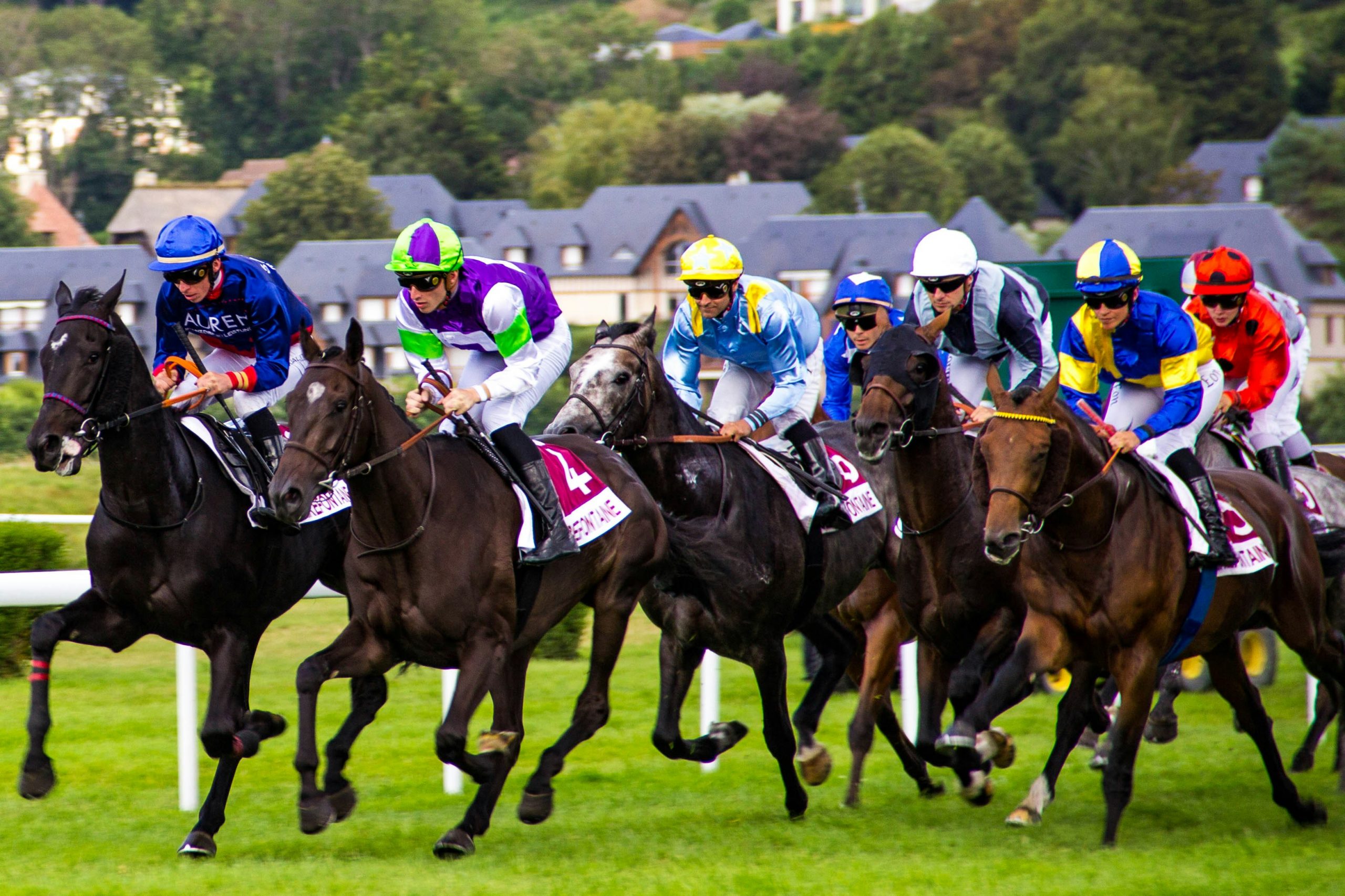
British horse racing is one of the most revered sports globally, steeped in tradition and excitement. However, circumstances sometimes necessitate the cancellation or postponement of races. In this article, we’ll explore the various factors that can lead to horse racing not being on, the implications for the betting industry, and how enthusiasts can still engage with this beloved sport throughBritish horse racing not on GamStop horse racing betting sites not on GamStop.
Understanding the Racing Calendar
The British racing calendar is a meticulous schedule that outlines the numerous events throughout the year. It encompasses a variety of venues and race types, including flat racing and jump racing. Each race course, from the historic Ascot to the picturesque Goodwood, offers a unique atmosphere that contributes to the overall experience. However, like any outdoor sport, unforeseen circumstances can disrupt these plans.
Reasons for Cancellation
Several key factors can lead to the cancellation of races:

- Weather Conditions: One of the most common reasons for race cancellations is adverse weather, particularly heavy rain or snow. Wet tracks can compromise horse safety, while frozen ground can make the course unfit for racing.
- Health and Safety Concerns: The well-being of both horses and jockeys is paramount. If a horse is found to be unfit to race, or if there are concerns about track safety, organizers may choose to cancel the event.
- Logistical Challenges: Issues such as transport difficulties or even staffing shortages may lead to a race being called off. This is particularly relevant during public health crises, as seen during the COVID-19 pandemic.
- Regulatory Issues: Sometimes, regulatory bodies may impose bans or suspensions on specific tracks or events due to rule violations, which can result in cancellations.
The Impact on Betting
When races are postponed or canceled, the ripple effects are felt throughout the betting industry. Betting sites experience fluctuations in activity as punters look to other sports or
events to place their wagers. In some cases, bookmakers might offer refunds on bets placed for the canceled races, while others may provide incentives for betting on different events to keep engagement levels high.
Alternative Options for Punters
For avid racing fans looking to keep their adrenaline pumping, numerous alternatives exist, especially through horse racing betting sites not on GamStop. These platforms offer various betting opportunities, including:
- Virtual Racing: Many betting sites feature virtual horse racing, where simulations occur based on algorithms. While it’s not the same as live racing, it can offer some entertainment and betting opportunities when real races are not taking place.
- International Races: While British races may be off, international events can provide ample betting options. Punters can explore races taking place in countries with different climates and schedules that may not be affected by the same issues.
- Fixed Odds Betting: Some betting platforms offer fixed odds on multiple events, including future races, which may allow punters to secure favorable odds even when immediate racing action is absent.
The Community Aspect
Beyond the thrill of the race, horse racing fosters a sense of community among enthusiasts. When races are not on, many racing fans look to remain connected through online forums and social media platforms. Engaging in discussions, sharing predictions, and analyzing past performances helps maintain the excitement and camaraderie. Virtual meet-ups and events may also arise, allowing fans to celebrate their shared passion in alternative ways.
The Future of British Horse Racing
The future of British horse racing continues to evolve. While challenges persist, the dedication of the racing community—ranging from organizers and trainers to fans and bettors—remains strong. Innovative solutions to enhance the experience during downtime, such as improved virtual offerings or alternative entertainment options, are ever-expanding.
Conclusion
British horse racing is more than just a series of events; it’s a cherished tradition that brings together individuals from all walks of life. While races being not on can have immediate impacts, the community’s resilience and adaptability is a testament to the sport’s enduring legacy. As enthusiasts navigate the ebbs and flows of racing schedules, the thrill of the sport will continue to find a way to resonate, whether through temporary alternatives or the exuberance of future race days.